

How Does Dry Needling Work?
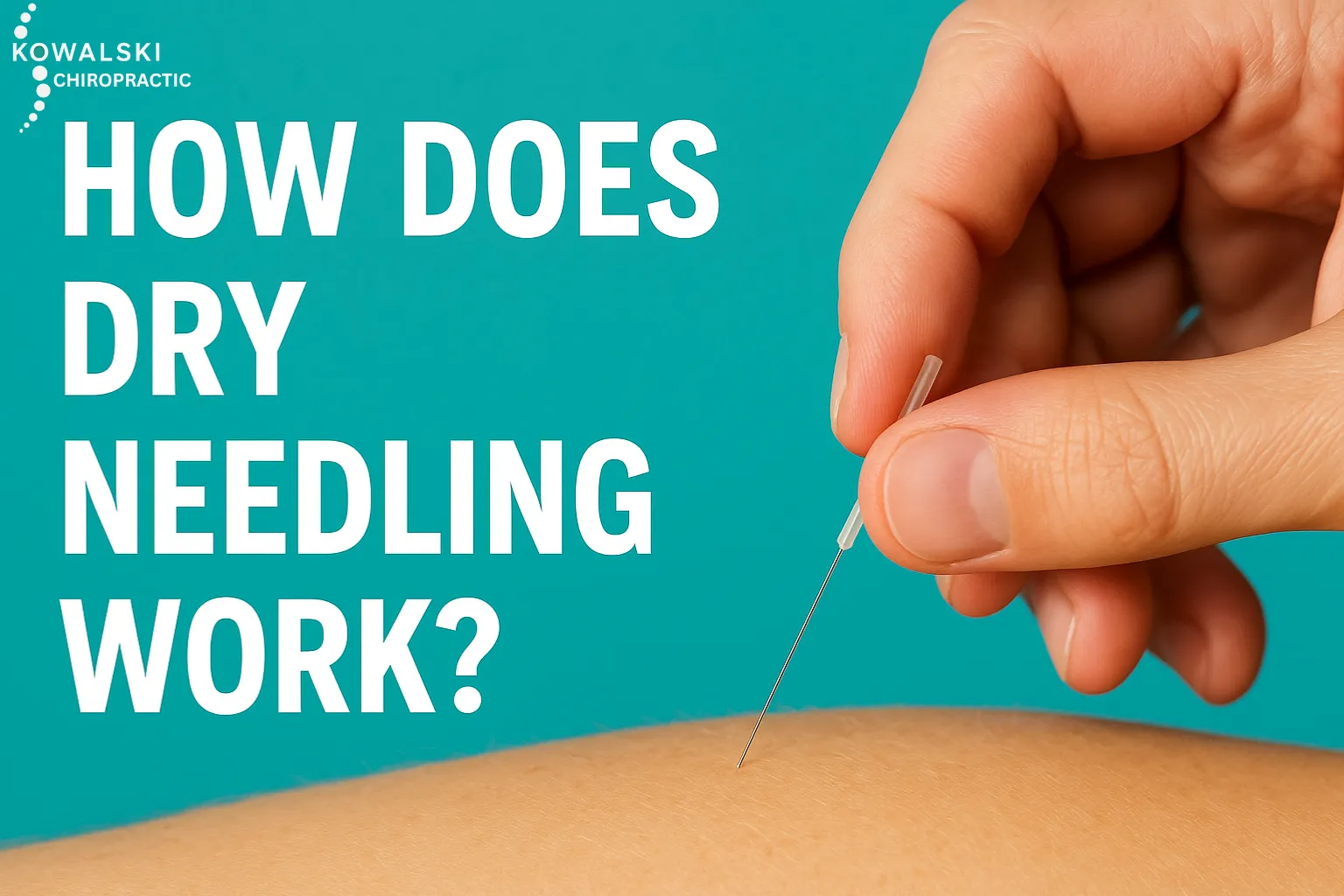
Dry needling has become a popular and effective therapy for many individuals suffering from musculoskeletal pain and muscle tightness. Though it’s often confused with acupuncture, dry needling is distinct and is typically used as a part of physical therapy or chiropractic care. This therapeutic technique involves the insertion of very fine needles into trigger points or muscle knots to relieve pain, improve range of motion, and promote overall muscle healing.
In this blog, we’ll explore how dry needling works, its benefits, and what you can expect during a session. If you're considering dry needling for pain relief or muscle recovery, this post will help you understand why it's such an effective treatment.
What is Dry Needling?
Dry needling is a modern treatment used by chiropractors, physical therapists, and other healthcare professionals to treat pain and dysfunction in muscles and soft tissue. The procedure involves inserting very fine, sterile needles into specific areas of the body, typically into the muscle trigger points (also known as "muscle knots"), which are hyper-irritable spots within a muscle that can cause pain and discomfort.
Unlike acupuncture, which is based on Traditional Chinese Medicine and focuses on balancing the body's energy flow, dry needling focuses purely on relieving musculoskeletal pain. The needles used in dry needling are much finer than those used in injections or acupuncture.
How Does Dry Needling Work?
1. Identification of Trigger Points
The first step in dry needling treatment is identifying the trigger points or areas of muscle tightness and dysfunction. Trigger points are hyper-irritable spots in the muscle that can be tender to the touch and may refer pain to other parts of the body. These points are usually the result of repetitive movement, injury, or muscle overuse.
2. Needle Insertion
Once the trigger points are located, a very fine needle (similar to the type used in acupuncture) is inserted directly into the muscle knot. The needle penetrates the muscle to a specific depth, which may cause a twitch response—a brief involuntary contraction of the muscle fibers.
3. Muscle Twitch Response
The twitch response is considered one of the key indicators that the muscle has been effectively stimulated. This is a natural reaction that helps release built-up tension within the muscle fibers and can lead to immediate pain relief. The twitch is a sign that the muscle is releasing pent-up energy, promoting blood circulation and healing in the area.
4. Needle Manipulation
In some cases, the practitioner may gently manipulate the needle or leave it in place for several minutes to stimulate the tissue further. This can increase blood flow, reduce inflammation, and promote the healing process.
5. Removal of Needles
Once the practitioner has targeted the trigger points and sufficient stimulation has been achieved, the needles are removed. The patient may feel some mild soreness or tenderness in the area for a short time after treatment, but this usually dissipates within a few hours to a couple of days.
Benefits of Dry Needling
1. Pain Relief
The primary benefit of dry needling is pain relief. By targeting specific muscle knots or trigger points, dry needling can effectively reduce pain that may be chronic or acute, especially in areas like the neck, shoulders, lower back, and legs.
2. Improved Range of Motion
Dry needling helps improve the range of motion in muscles that have been restricted due to tightness or injury. This can be especially beneficial for athletes or anyone recovering from a muscle injury.
3. Reduced Muscle Tightness
By relaxing the muscles and releasing built-up tension, dry needling can significantly reduce muscle tightness, allowing for more flexibility and ease of movement.
4. Faster Recovery
Whether you're recovering from an injury or dealing with muscle soreness after exercise, dry needling can speed up the recovery process. By increasing blood flow and oxygen to the muscle tissue, it promotes quicker healing.
5. Treating Chronic Conditions
Dry needling is particularly effective for treating chronic pain conditions such as fibromyalgia, myofascial pain syndrome, and muscle spasms. It can also help alleviate headaches and temporomandibular joint (TMJ) disorders.
What to Expect During a Dry Needling Session
If you're considering dry needling as a treatment option, here's what you can expect during your session:
1. Consultation:
Your chiropractor or physical therapist will begin by conducting an initial consultation to understand your symptoms and medical history. They will also assess your muscle health and identify areas of tension or discomfort.
2. Needle Insertion:
Once the problem areas are identified, the practitioner will insert very fine needles into the affected muscles. You may feel a slight prick, but the needles are quite thin and the insertion should not be painful.
3. Sensation of Twitching:
During the treatment, you may experience a mild twitch response from your muscles. This is normal and indicates that the muscle is responding to the needle and starting to release the built-up tension.
4. Post-Treatment:
After the needles are removed, you may feel some mild soreness or tenderness in the area, similar to the feeling you get after a deep tissue massage. This is a normal reaction and should subside after a few hours.
Is Dry Needling Safe?
Dry needling is a safe and minimally invasive procedure when performed by a trained and certified practitioner. It’s important to work with a chiropractor or physical therapist who has experience with this technique. While side effects are generally minimal, some people may experience mild soreness or bruising at the needle insertion sites.
Conclusion
Dry needling is an effective and modern therapeutic technique that can help alleviate pain, reduce muscle tension, and improve flexibility. Whether you are dealing with a recent injury, chronic pain, or muscle tightness, dry needling offers a targeted solution for relieving discomfort and promoting healing.
If you are considering trying dry needling, Kowalski Chiropractic offers this treatment among its services. For more information or to schedule an appointment, visit Kowalski Chiropractic or call us at +1 614-798-8050 to discuss how dry needling could help you on your path to recovery.