

What Is Shockwave Therapy?
What Is Shockwave Therapy?
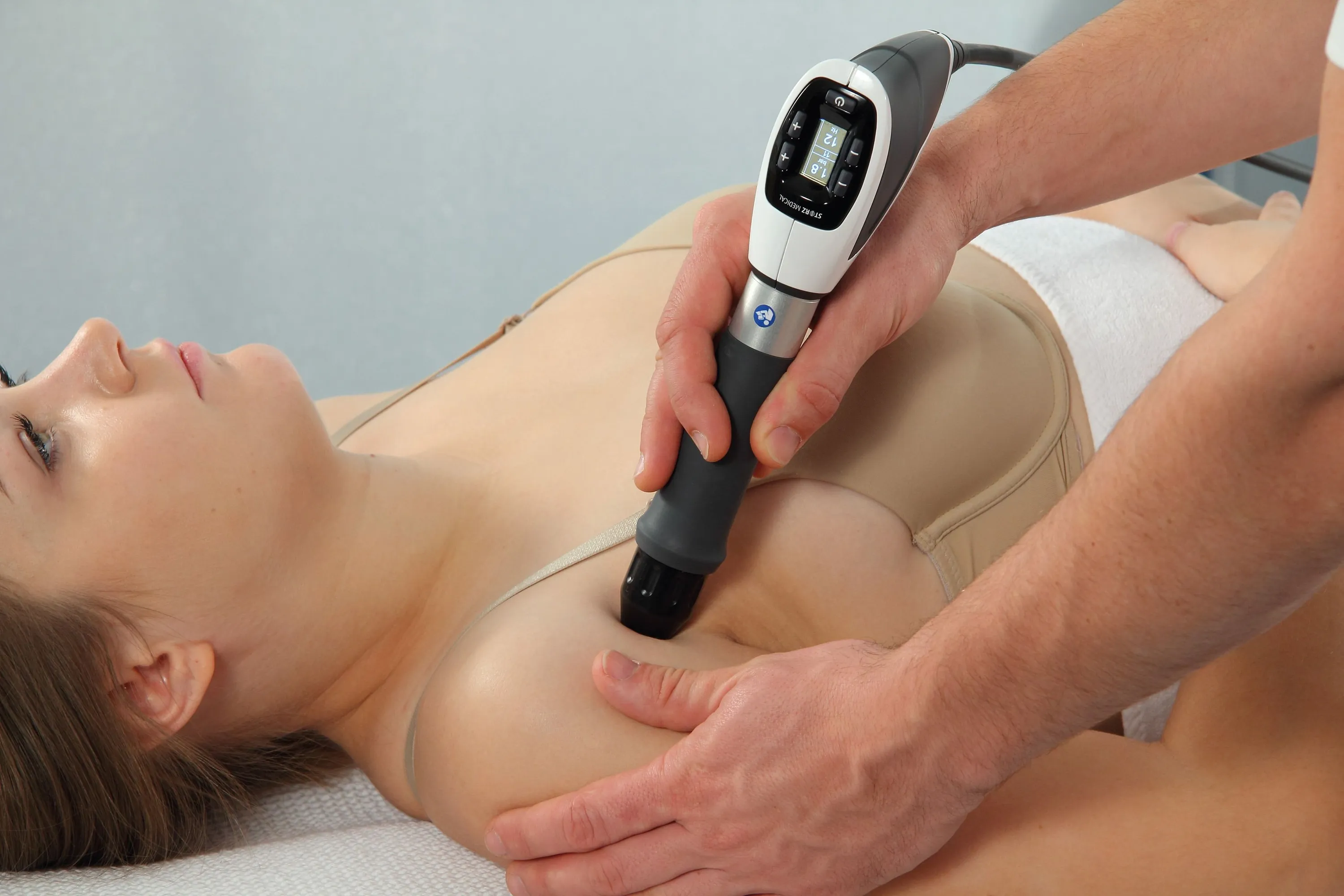
Extracorporeal Shockwave Therapy (ESWT) is a non-invasive procedure that sends pulses of high-energy sound into injured tissue. These acoustic “shockwaves” jump-start the body’s own repair mechanisms—boosting cell growth, increasing blood supply, and easing pain—without needles or surgery.
First introduced in the 1980s to break up kidney stones (lithotripsy), the technology is now a mainstay in podiatry clinics worldwide for stubborn foot and ankle problems such as plantar fasciitis and Achilles tendinopathy.
How Does Extracorporeal Shockwave Therapy Work?
During treatment, a handheld applicator delivers dense acoustic waves to the painful area. Those waves create microscopic “micro-trauma” that triggers a cascade of healing responses:
-Growth-factor release – signals cells to lay down fresh collagen and rebuild tissue.
-Angiogenesis – new blood vessels form, bringing oxygen and nutrients while removing waste.
-Pain-signal modulation – nerve activity is dampened and calcified deposits can break apart, easing chronic discomfort.
Because circulation improves and inflammation is regulated, damaged structures—muscle, tendon, ligament, or fascia—heal faster and function better.
What Is Focused Shockwave Therapy?
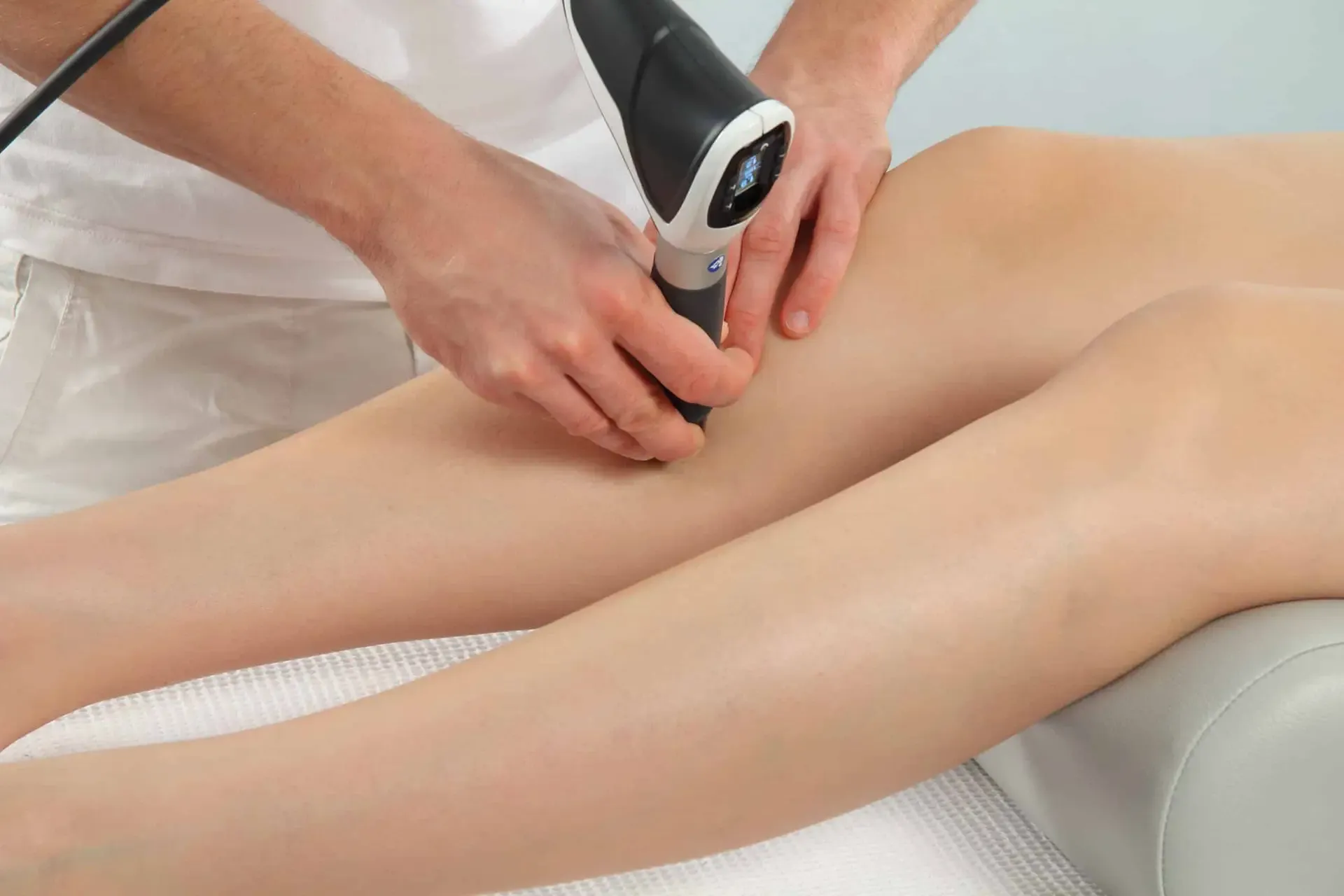
Also called “focal” ESWT, this mode concentrates energy into a pinpoint beam that penetrates deeply. It is ideal for hard-to-reach or long-standing problems.
Applications in Podiatry
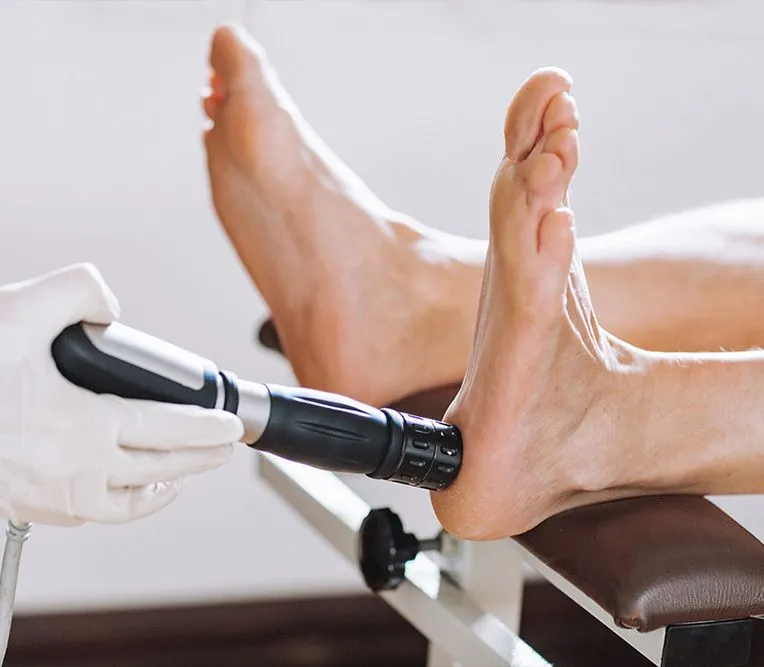
-Plantar fasciitis that has resisted orthotics or injections
-Chronic heel spurs
-Deep tendon injuries (e.g., stubborn Achilles pain)
Benefits of Focal Shockwave Therapy
-Deep reach – targets structures several centimetres below the skin.
-Pinpoint accuracy – spares surrounding tissue
-Circulatory boost – encourages deep blood flow and speeds recovery.
Radial Shockwave Therapy
What Is Radial Shockwave Therapy?
Radial ESWT disperses energy in a broader, fan-like pattern. Intensity is lower, making it perfect for larger surface areas and more superficial issues.
-Achilles tendinopathy along the tendon’s mid-portion
-General foot or arch pain
-Calf and plantar muscle tightness
Benefits of Radial Shockwave Therapy
Wide coverage – treats diffuse or multiple sore spots in one session.
Tissue stimulation – loosens tight muscles and fascia.
Quick comfort – many patients feel lighter and more flexible immediately after treatment.
What Conditions Can Be Treated by Shockwave Therapy for Chronic Pain?
-Achilles tendonitis – reduces swelling and restores tendon strength.
-Heel spurs – helps dissolve calcium build-up and calms irritation.
-Metatarsalgia – eases pressure in the ball of the foot.
-Morton’s neuroma – offers rapid pain relief between the toes.
-Plantar fasciitis – tackles morning heel pain and stiffness.
-Shin splints – improves circulation along the tibia to speed healing.
-Tibialis posterior tendonitis – supports arch stability and cuts post-activity pain.
Alongside stretching, strengthening, and gait-correction exercises, ESWT forms a comprehensive, non-surgical rehab plan—especially valuable for athletes eager to return to sport.
What to Expect During a Treatment SessionGel application – A thin layer of ultrasound gel ensures efficient energy transfer.
-
Handheld device – The clinician moves the applicator over the target area for about 10-20 minutes.
-
Sensation – Most people describe firm tapping or mild tingling; settings are adjusted for comfort.
Does Shockwave Therapy Hurt?
ESWT is generally well tolerated. You may feel brief discomfort during pulses and mild soreness for a day or two afterwards—signs that healing activity is under way. Normal daily walking is fine; simply avoid high-impact exercise for 48 hours.
Preparing for Treatment
-Arrive 15 minutes early to complete paperwork and discuss any medications (especially blood thinners).
-Wear loose clothing that exposes the treatment area.
-Remove jewellery near the site.
-Share all concerns with your clinician; settings can be fine-tuned on the spot.
Aftercare and Recovery
-Expect slight redness, swelling, or bruising; these resolve quickly.
-Rest from strenuous activity for two days; gentle stretching is encouraged if advised.
-Use over-the-counter analgesics such as acetaminophen or ibuprofen if needed.
-Attend follow-up visits so progress can be monitored and your program adjusted
Is Shockwave Therapy Right for You?
Results depend on the exact condition, its severity, and individual health factors. Book a consultation with a qualified podiatrist to confirm your diagnosis and craft a personalised treatment plan that may include focal or radial ESWT, exercise therapy, and footwear guidance.
Persistent foot pain does not have to be a lifelong companion—shockwave therapy could be your first step toward lasting relief.
Ready to Feel the Difference?
Book your Shockwave Therapy session or a plantar-fasciitis evaluation today -
Visit kowalskichiropractic.com or call (614) 798-8050 to schedule -
Our clinic is located at 6151 Avery Rd, Suite B, Dublin, OH 43016 and we’re ready to help you move pain-free – contact us now!