

Understanding Plantar Fasciitis: Causes, Symptoms, and Treatment Options
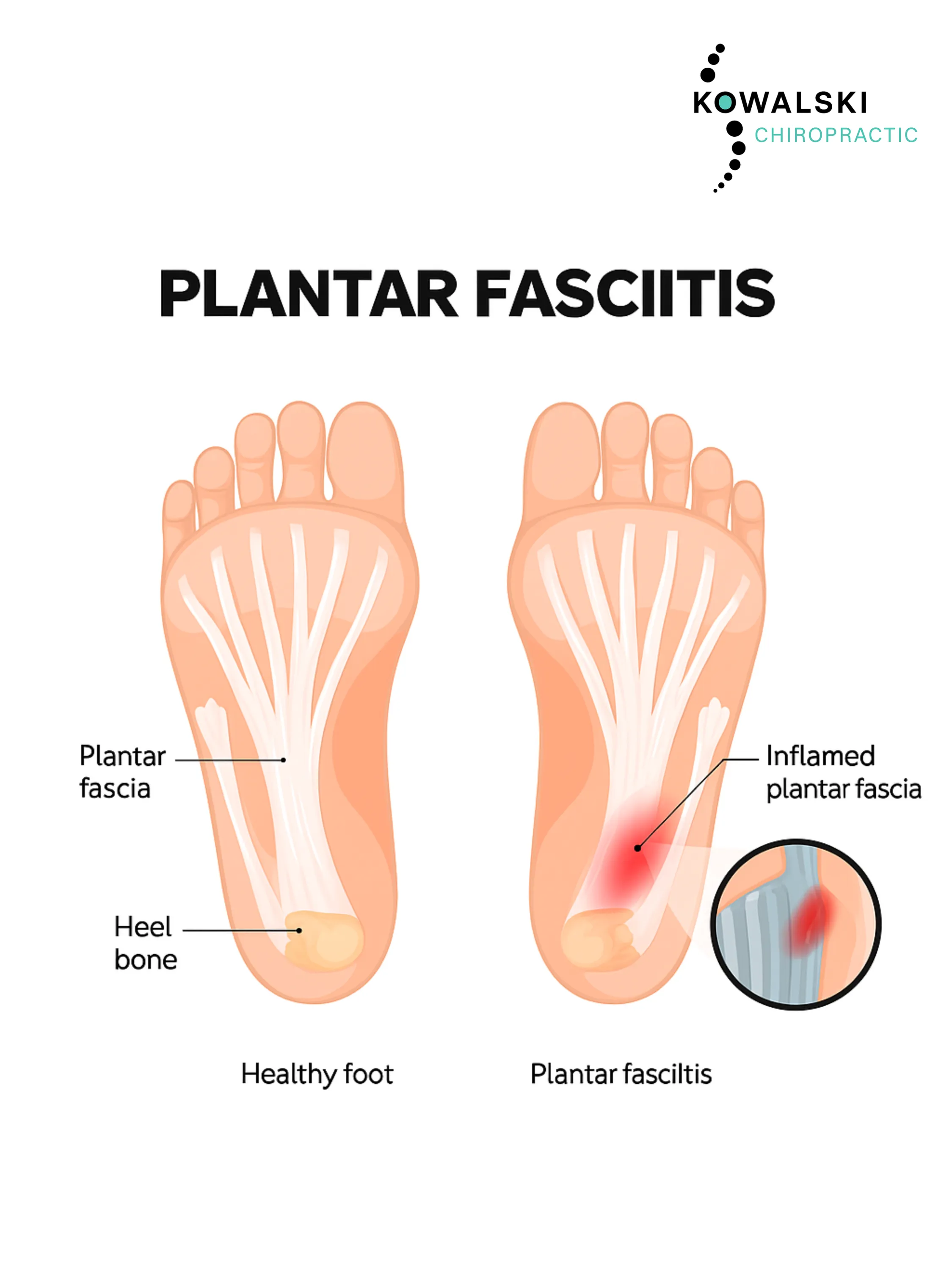
In this blog, we’ll break down what plantar fasciitis is, its symptoms, risk factors, and potential treatment options. Let’s dive in!
What Is Plantar Fasciitis?
Plantar fasciitis is an inflammation of the plantar fascia. The condition typically results from repetitive stress or overuse, which causes small tears in the ligament, leading to pain and swelling. It commonly manifests as sharp pain in the heel, especially when you take your first steps in the morning or after prolonged periods of rest.
The pain is typically localized to the bottom of the heel but may radiate along the arch of the foot. The discomfort often improves after walking for a few minutes but can return after prolonged standing, walking, or physical activity.
What Are the Symptoms?
The hallmark symptom of plantar fasciitis is pain in the heel, often described as a stabbing sensation. The pain may worsen in the morning when you first get out of bed, as the plantar fascia tightens during the night. After walking for a few minutes, the pain may subside but can return after standing for long periods or after intense activity.
In some cases, individuals may also experience tenderness along the bottom of the foot, especially near the heel, and pain that intensifies with activities such as walking, climbing stairs, or standing for long periods.
Risk Factors for Plantar Fasciitis
Several factors may increase your risk of developing plantar fasciitis, including:
- Age: This condition is most common in people aged 40 to 60, although it can occur at any age.
- Obesity: Extra weight puts added pressure on the feet, increasing the risk of injury to the plantar fascia.
- Certain occupations: Jobs that require long periods of standing or walking on hard surfaces, such as teaching, factory work, or retail, can increase strain on your feet.
- Improper footwear: Shoes that lack support, especially those with inadequate arch support or soft soles, can contribute to plantar fasciitis.
- Foot mechanics: Flat feet, high arches, or abnormal walking patterns can affect how weight is distributed across the foot and lead to stress on the plantar fascia.
How to Treat Plantar Fasciitis
Fortunately, plantar fasciitis can be treated effectively with various methods. Here are some common treatments:
- Rest and Ice: Resting your feet and applying ice can help reduce inflammation. Applying ice for 15-20 minutes several times a day can relieve pain and swelling.
- Stretching Exercises: Specific stretches for the Achilles tendon and plantar fascia can improve flexibility and alleviate tension. Stretching exercises are often the most effective way to manage symptoms.
- Orthotics: Custom-made or over-the-counter insoles with arch support can help distribute pressure evenly and reduce strain on the plantar fascia.
- Anti-Inflammatory Medications: Nonsteroidal anti-inflammatory drugs (NSAIDs) like ibuprofen can help reduce pain and swelling.
- Physical Therapy: A physical therapist can teach exercises to strengthen and stretch the muscles of the feet and legs, providing long-term relief.
- Surgery: In rare cases, when conservative treatments fail, surgery may be necessary to release the tension on the plantar fascia.
Treatment at Kowalski Chiropractic
If you're seeking professional care for plantar fasciitis, Kowalski Chiropractic in Dublin, Ohio, offers comprehensive treatment options. Led by Dr. Mark Kowalski, who has over 29 years of experience in chiropractic care, the clinic provides personalized treatment plans tailored to each patient's needs.
At Kowalski Chiropractic, you can expect a holistic approach to healing. The clinic emphasizes personalized care, combining treatments such as physical therapy, posture guidance, and lifestyle adjustments to help alleviate the pain of plantar fasciitis and restore normal foot function.
For more information or to schedule an appointment, visit kowalskichiropractic.com or call 614-798-8050.
Prevention Tips
While plantar fasciitis can be treated, prevention is key to avoiding a recurrence. Here are some tips to keep your feet healthy:
- Wear Proper Footwear: Invest in shoes that provide ample support, especially if you spend a lot of time on your feet.
- Maintain a Healthy Weight: Reducing excess weight can alleviate pressure on your feet and lower the risk of developing plantar fasciitis.
- Warm-Up and Stretch: If you're active, always warm up before exercise and stretch your calves, Achilles tendons, and feet to prevent strain on the plantar fascia.
- Avoid Overuse: Gradually increase your physical activity levels to avoid putting too much strain on your feet at once.
Conclusion
Plantar fasciitis can be a painful and frustrating condition, but with the right care and treatment, most people recover and return to their normal activities. By understanding the causes, recognizing the symptoms early, and following a comprehensive treatment plan, you can manage plantar fasciitis effectively and prevent future flare-ups. If you're experiencing heel pain, it's important to consult with a healthcare professional, such as a chiropractor, to develop a personalized treatment plan and get back on your feet pain-free!
Click Here to Watch: End Heel Pain with Plantar Fasciitis Treatment!