

Plantar Fasciitis Self-Treatment: A Comprehensive Step-by-Step Guide
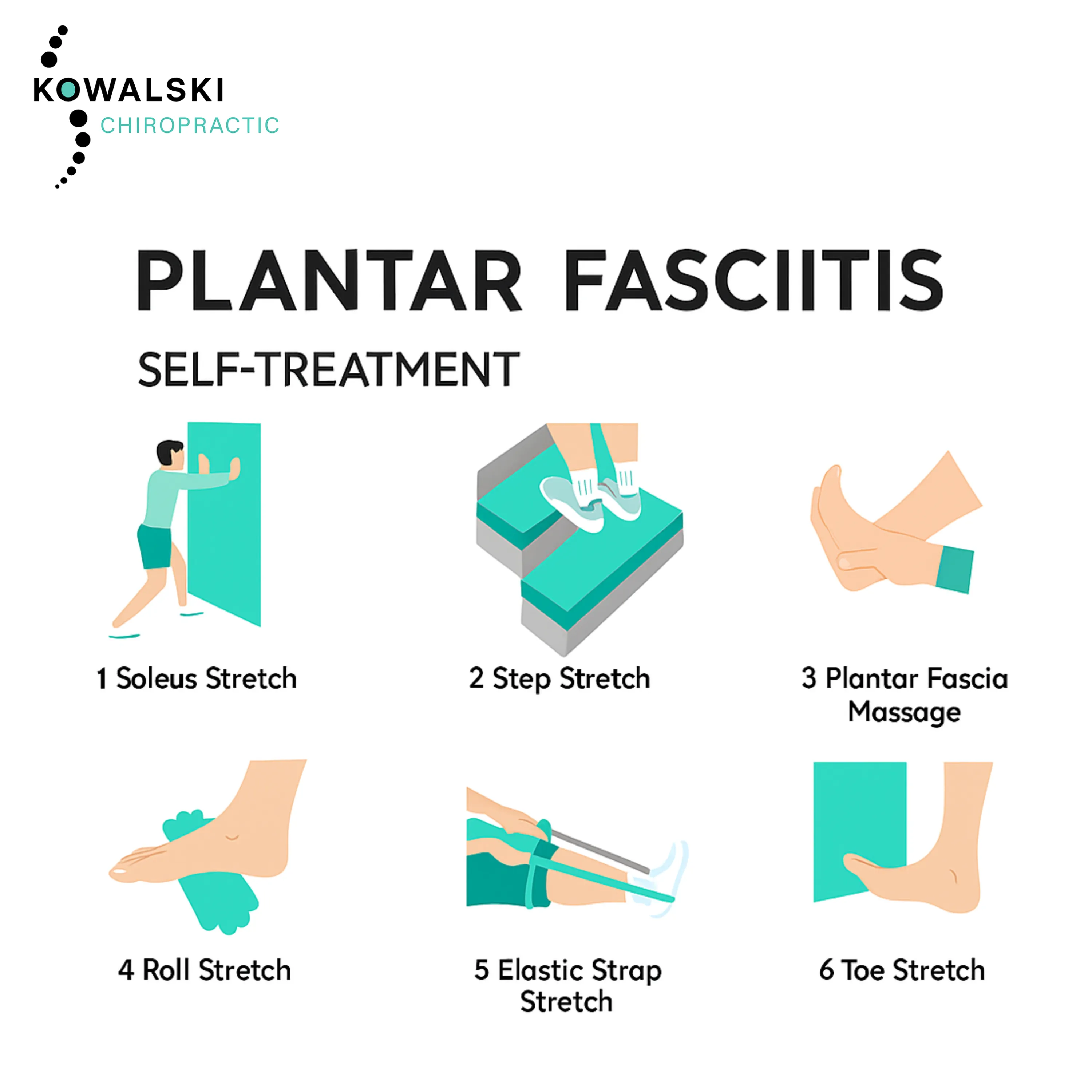
If you're struggling with persistent heel pain, you may be experiencing Plantar Fasciitis, a common condition that causes pain along the bottom of the foot, particularly near the heel. This condition typically results from inflammation of the tissue running along the bottom of your foot, often caused by overuse, inadequate footwear, or changes in physical activity. Thankfully, there are effective self-treatment methods you can follow at home to ease your symptoms and promote recovery. Below is a step-by-step guide designed to help you manage the discomfort and begin your healing process.
1. Soleus Stretch
Stretching the Soleus muscle, a deeper calf muscle often tight in people with plantar fasciitis, is crucial to relieving tension.
How to Do It:
- Stand facing a wall, placing your hands on it for balance.
- Step one foot back, keeping your heels on the floor, and slightly bend both knees.
- Hold this position for 30 seconds, then switch legs.
- Repeat 2-3 times per side.
2. Step Stretch
A step stretch directly targets the plantar fascia, helping to elongate and increase flexibility in the bottom of your foot.
How to Do It:
- Stand on a step, ensuring only the balls of your feet are on the edge, letting your heels hang off.
- Slowly lower your heels below the step level until you feel a stretch in your foot.
- Hold for 20-30 seconds, then return to standing.
- Repeat 3-5 times.
3. Plantar Fascia Massage
Massaging your plantar fascia helps to reduce tightness and alleviate pain, offering immediate relief.
How to Do It:
- Sit comfortably and place a tennis ball under your foot.
- Roll the ball back and forth from your heel to your toes, applying gentle pressure.
- Spend 5-10 minutes massaging each foot.
4. Roll Stretch
- A roll stretch using a rolling pin, water bottle, or massage ball can release tightness across the entire arch of your foot.
How to Do It:
- Sit in a chair with your foot flat on the floor.
- Place the rolling pin or similar object under your foot, then roll it from your heel to the ball of your foot.
- Apply gentle pressure to feel a stretch, but avoid any pain.
Roll for 5-10 minutes on each foot.
5. Elastic Strap Stretch
This stretch helps target both your calves and the bottoms of your feet, which are essential for managing plantar fasciitis.
How to Do It:
- Sit on the floor with one leg extended and a towel or elastic strap around the ball of your foot.
- Gently pull the strap towards you, keeping your knee straight until you feel a stretch in both your calf and foot.
- Hold the stretch for 30 seconds, repeating 2-3 times per foot.
6. Toe Stretch
Toe stretches improve flexibility in your toes and foot arch, which can help relieve pressure on your plantar fascia.
How to Do It:
- Sit comfortably, cross one leg over the other, and gently pull your toes back toward your shin.
- Hold the stretch for 20-30 seconds, then repeat 2-3 times on each foot.
When to Seek Professional Treatment: Kowalski Chiropractic
While these self-treatment techniques can provide significant relief, sometimes professional care is necessary for a quicker recovery and long-term relief. At Kowalski Chiropractic, we specialize in personalized treatments to help you manage and recover from plantar fasciitis. Our services are tailored to address the root causes of your pain and provide effective, lasting solutions.
For more information on how we can assist you with plantar fasciitis recovery, contact Kowalski Chiropractic today.
Contact Us:
📞 614-798-8050
🌐 www.kowalskichiropractic.com